






Model Monitoring
Definition
Model monitoring is the ongoing tracking of a live AI system's real-world performance — accuracy, response time, cost per conversation, escalation rate, and failure patterns — after it is deployed, so problems are caught from the data rather than from a customer complaint.
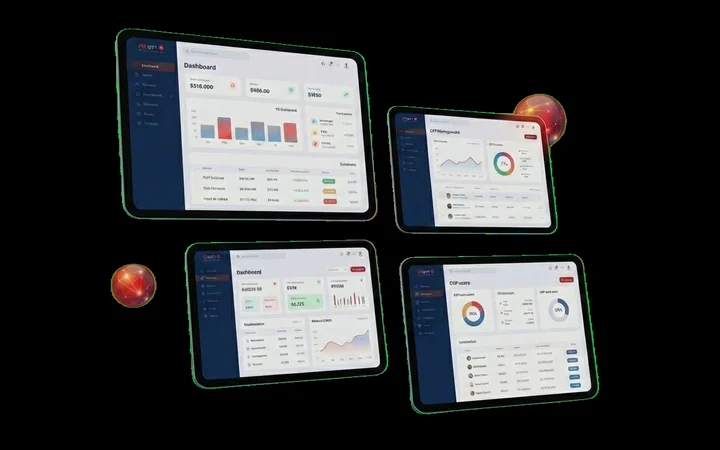
Once an AI agent is live, its behavior can drift from what was tested: an upstream model provider updates their model, a new type of customer question appears that the knowledge base doesn't cover well, or usage volume changes cost per conversation. Model monitoring sets up dashboards and alerts on key metrics — how often the agent escalates to a human, how often customers rephrase or express frustration, average and worst-case response latency, and token or API cost trends — plus regular sampling of real conversation logs for manual quality review. Unlike LLM evals, which test against a fixed set of questions before or between releases, monitoring watches actual live traffic continuously and is the mechanism for catching issues that a pre-launch test set didn't anticipate.
This is the difference between selling a demo and running a business system: for a clinic's voice agent, we report monthly on calls answered, appointments booked, and — critically — any calls where the agent was uncertain or a caller sounded confused, so the client sees both the wins and the edge cases. MIT research on enterprise AI pilots found that a large majority fail to produce a measurable return, and the common thread in the failures is no one was watching the numbers after go-live; monitoring is what turns a pilot into a system the client can trust and keep paying for.
 Chat on WhatsApp